Zhangzhung Civilization:
The Forgotten Cradle of Tibetan Culture
When talking about Tibetan culture, most people immediately think of Tibetan Buddhism, snow-capped mountains, and unique folk customs. However, few know that Zhangzhung Civilization is the real root and origin of all Tibetan cultures, a brilliant ancient civilization that once shone on the Qinghai-Tibet Plateau long before the rise of the Tibetan Empire and the introduction of Buddhism.
What Was the Zhangzhung Kingdom?
Zhangzhung (also spelled Zhang Zhung), known as “Dayangtong” in ancient Chinese historical records, was a powerful and unified ancient kingdom that thrived on the Qinghai-Tibet Plateau from around the 4th century BCE to the 7th century CE.
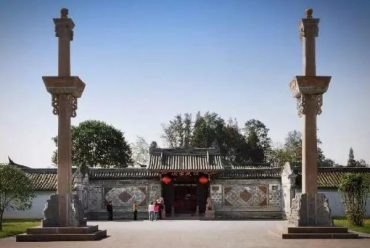
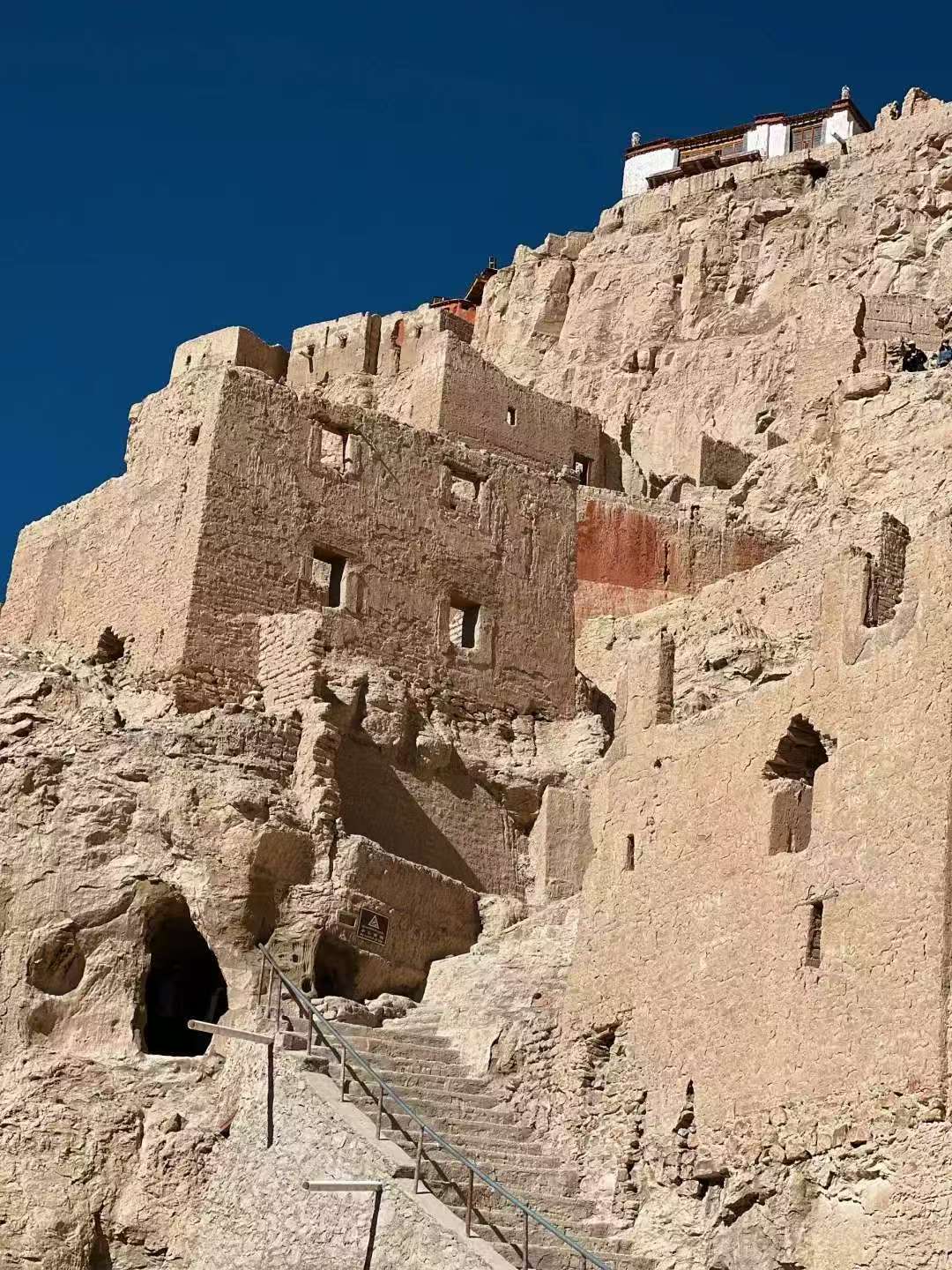
Centered on the Ngari region of today’s Tibet, with its capital at Qionglong Silver City near Mount Kailash and Lake Manasarovar—sacred lands revered to this day—the Zhangzhung Kingdom boasted a vast territory. It stretched from Kashmir in the west to the Garze Tibetan region of western Sichuan (including today’s Danba, a key inheritance area of Zhangzhung culture) in the east, from Nepal in the south to the northern Tibetan grasslands in the north. For nearly a thousand years, it was the dominant political, cultural, and religious power on the plateau, until it was conquered by the Tibetan Empire led by Songtsen Gampo in 644 CE.
Far from being a primitive nomadic regime, the Zhangzhung Kingdom had a complete political system, mature writing, and a highly developed social culture, laying a solid foundation for the subsequent formation and development of Tibetan civilization.
The Core & Enduring Influence of Zhangzhung Civilization
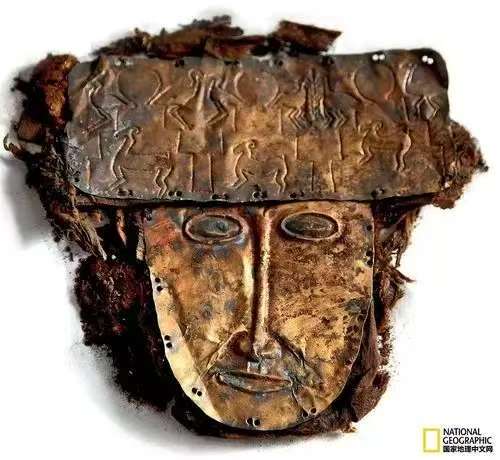
The soul of Zhangzhung Civilization is Yungdrung Bon, the indigenous original religion of the Qinghai-Tibet Plateau, which shaped every aspect of plateau culture and left an indelible mark that still exists today.
Religious Heritage: The Foundation of Tibetan Buddhism
Before Buddhism was introduced to the plateau in the 7th century, Yungdrung Bon was the sole state religion and dominant belief of the Zhangzhung Kingdom. It advocates animism, worship of sacred mountains and lakes, and the concept of harmony between man and nature, with its own complete system of scriptures, rituals, and teachings.
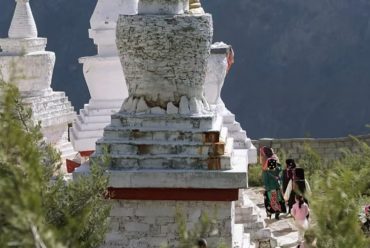
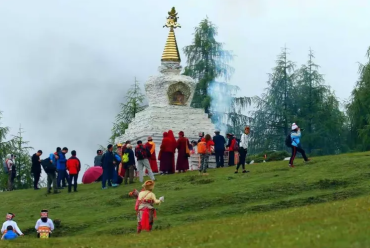
When Buddhism spread to the Qinghai-Tibet Plateau, it absorbed a large number of Bon rituals and beliefs to integrate with local culture: the sacred mountain pilgrimage, burning sang (incense offering), hanging prayer flags, stacking Mani stones, and white stone worship that we see in Tibetan areas today—all originated from Zhangzhung Bon. In this sense, Zhangzhung Civilization is the inherent foundation of Tibetan Buddhism; without Zhangzhung, there would be no unique Tibetan Buddhism as we know it.
Cultural & Civilizational Legacy
Zhangzhung Civilization created the ancient Zhangzhung script, which is widely recognized by academics as one of the important sources of the Tibetan script. Many religious, medical, and astronomical terms in modern Tibetan are directly inherited from Zhangzhung language.
In addition, ancient Zhangzhung people pioneered plateau medicine, astronomy, and calendar systems. The basic theories of Tibetan medicine, the Tibetan calendar, and traditional zodiac astrology all originated from the wisdom accumulated by the Zhangzhung people over thousands of years. Even the architectural styles of Tibetan blockhouses and ancient watchtowers can trace their roots back to Zhangzhung architectural techniques.
If you want to learn more Zhangzhung Civilization, please contact our Local Researcher Sissi by email :sissivdp@foxmail.com
Learn more about Zhangzhung:
Archaeologist pieces together story of the mysterious Zhang Zhung people of Tibet